

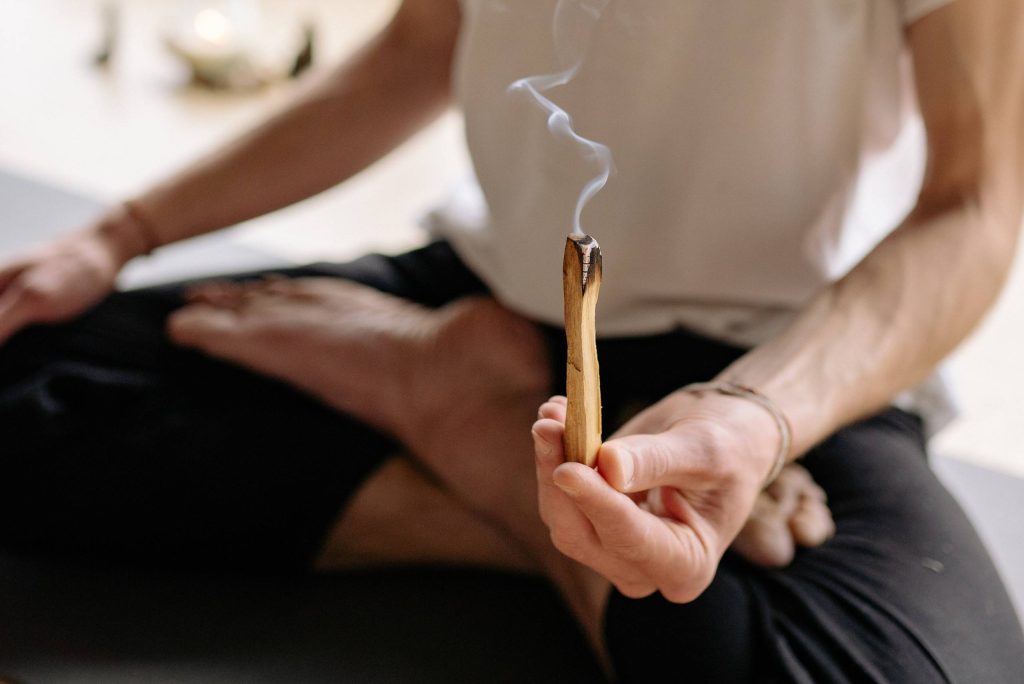
Why Rituals Are So Powerful for Your Nervous System
Life can be fast, unpredictable and demanding. And so many of us are living with a nervous system that rarely gets the message that it is safe to slow down. We move from task to task, from screen to screen, and from one responsibility to the next, which over time, this constant state of alert can leave the body feeling wired, tired and out of balance. One of the simplest and most effective ways to support the nervous system is through something very gentle and familiar. Rituals. Not the kind of rituals that feel complicated or time-consuming, but the quiet, steady kind that brings a sense of rhythm and reassurance back into the body.
Why the nervous system responds so well to rituals
Your nervous system is always scanning your environment for cues of safety or threat, which happens automatically and often without conscious awareness. When life feels unpredictable or overwhelming, the body can remain in a heightened state of alert for longer than is helpful. Rituals work because they introduce familiarity and predictability, and when we repeat the same calming actions regularly, the brain begins to recognise the pattern. Over time, this repetition sends subtle signals that the environment is safe and that the body can begin to soften its guard. Research in behavioural science and psychology consistently shows that predictable routines can help to lower stress levels, support emotional regulation and create a greater sense of stability. In simple terms, the nervous system feels more settled when life contains gentle, reliable rhythms.
The difference between habits and rituals
While the words are often used interchangeably, there is a quiet but meaningful difference between a habit and a ritual. A habit is something we do automatically, often without much thought, whereas a ritual carries intention and is something we set out to do. It creates a small moment of pause in the day or month where the body and mind are given permission to slow down and is why rituals can feel so grounding. They are not just tasks to complete but are experiences that the nervous system learns to trust.
Small, consistent practices create lasting change
There can be a strong pull toward quick fixes and dramatic overhauls when it comes to wellbeing. But in the treatment room, time and time again, the most meaningful changes come from gentle consistency rather than intensity. Small, repeated acts of care help the body feel supported on an ongoing basis, which might look like a regular wind-down routine in the evening, a weekly walk that creates space to breathe, or a monthly treatment that allows the nervous system to fully settle. Over time, the body begins to recognise these moments, responds more quickly and softens more easily. The cumulative effect can be powerful for long term wellbeing.
Where reflexology fits into this picture
Reflexology is particularly supportive because it creates a dedicated, uninterrupted space for the nervous system to go through a reset. The environment is calm, and the touch is gentle and rhythmic, inviting the body into a state of rest that many people find difficult to access in everyday life. When reflexology becomes a regular part of your wellbeing routine, it often shifts from being an occasional treat to something much more supportive and becomes a rhythm the body recognises. Many clients notice that with consistent sessions, they settle more quickly into relaxation, sleep improves, and the body feels less held in tension between appointments. This is the quiet power of rituals in action.
A gentle invitation
If your body has been feeling busy, overstimulated or simply in need of more consistent support, it may be worth considering where small rituals could fit into your routine. They do not need to be complicated or perfect. They simply need to be steady enough that your nervous system begins to recognise them as a place of safety. For many people, a regular reflexology treatment becomes one of those anchor points in the month. A space to pause, reset and support the body in a calm and natural way. If you would like to explore how reflexology could support your own reset and renewal, you are very welcome to book a session with us here in our cosy reflexology clinic, AB Wellness and Reflexology in Chapelton, Aberdeenshire.